Years ago I read an unnerving comment on mortality, an existential wisecrack. It went something like “The one thing that would comfort you before death would be knowing that everyone else would die on that same day, so you wouldn’t be missing anything.”
The sudden death of everyone is hard to imagine, maybe less so now than a year ago. But you could try, imagining a large asteroid hurtling toward our planet. That’s the premise of another old wisecrack, one commenting on America’s most influential newspaper. As doom approaches, The New York Times front page headline reads:
ASTEROID WILL DESTROY EARTH TOMORROW;
WOMEN AND MINORITIES TO BE HURT THE MOST
The 2020 experience has hinted at apocalypse, with most of us in the same spooky boat. But the boat’s not for everyone. If you’re mayor of a big city or governor of a big state, you apparently have some magical progressive immunity to the pandemic. Mr. or Ms. Caring-Sharing-Healing-And-Feeling, is safe prettifying the hair or enjoying $100 appetizers in dense restaurant company (dense in both senses of the word).
At least 13 of these Pandemic Preachers have scolded and threatened us contagion serfs while living the good life themselves. Magisterial hypocrisy and dim-witted governance by the Preachers are an auxiliary plague now, but one contagious only to the privileged few.
My 2020 plot twist: Rays of happiness somehow keep peeking through. With humans in retreat, wildlife seems emboldened. The other day I saw through my patio window a 16-point buck calmly nibbling seeds from my elevated bird feeder. Flocks of wild turkeys waddle around our condos like they own the place.
Last week some neighborly sandhill cranes wandered up the little walk toward my front door. For a moment I tried to see them as a harbinger of a neighborly property tax bill heading toward my door, courtesy of Wisconsin government post-Scott Walker. Then I returned to reality.
With pickup basketball at the Y cancelled like attendance at sporting events, I settled for long walks. But the occasional people I passed all seemed happy to see me — that is, to see anyone.
The 2020 summer arrived and human activity picked up. My son’s family moving from Texas to Wisconsin let me babysit for my toddler grandson James, a joy machine who finds most everything, including dancing using mainly his shoulders, a great adventure.
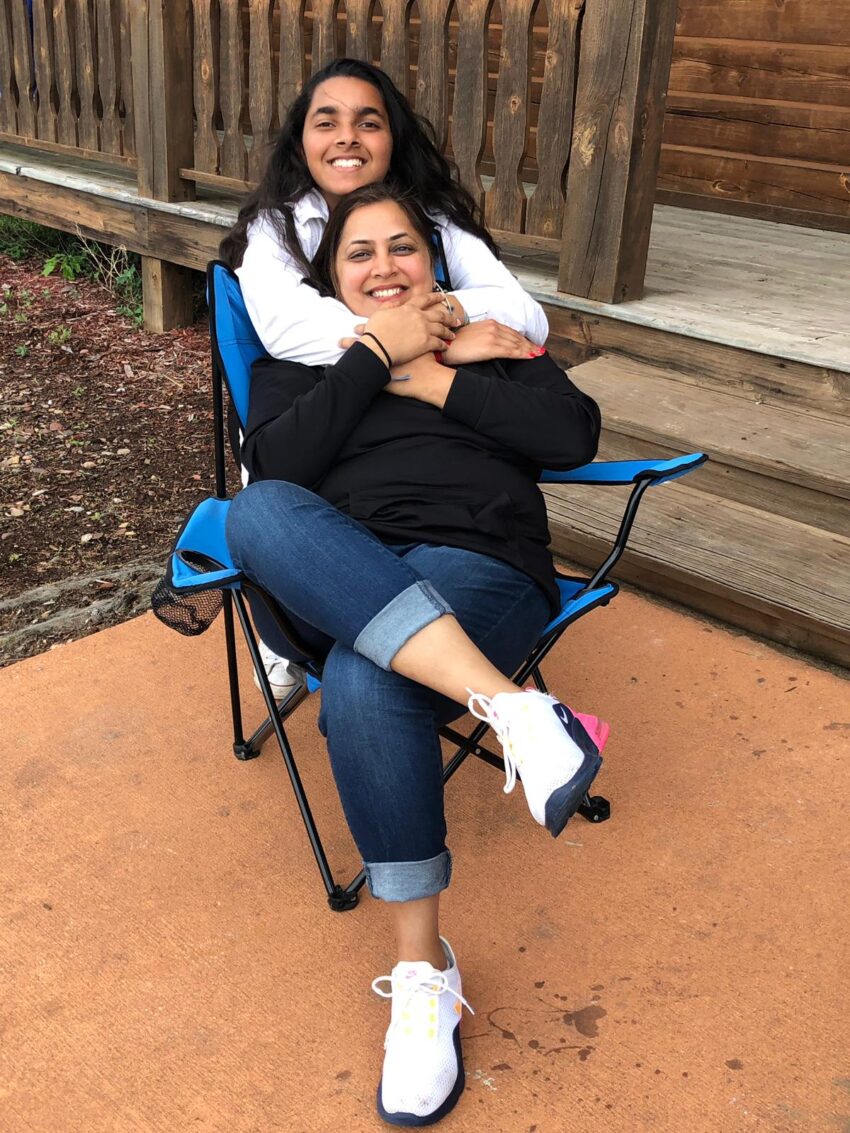
Then, after living in a condo development (of that non-neighborhood suburban type) for over 20 years, I finally made two friends, my next-door neighbors. The mother is an accomplished professional who immigrated from India. Her daughter is an all-American high school girl planning to study engineering. They sociably invited me over for some movie nights, their second time viewing a radiantly good Netflix adaptation of the novel Anne of Green Gables.
In another time, I might have viewed the invitation through the lens of my tastes and cynicism, thinking something like “That sounds like a ‘chick flick,’ and I don’t like those weepy-women productions. And why would you want to socialize with someone my age?”
But lockdown isolation persuaded me to accept the invitation, and rewarding movie nights began. Excellent company! Enjoyable conversation! A fictional young girl idealistically struggles to overcome hardship in rural Canada over a century ago. A real-world girl is nourished by that character’s heroism and her mother’s strong values. Neighborliness and good company . . . just like the world I recall, minus President Eisenhower.
Though 2020 was a year of loss and isolation, it also provided me some surprise happiness, at least, opportunities to recognize it. Thinking of James and others rather than the locked-down self, you can feel less fearful of death, more appreciative of life well-lived.